Family Zoo: A Match-3 Adventure That's More Than Just Puzzles
Family Zoo isn't your average match-3 game. Sure, you'll be swapping colorful tiles to earn resources, but this game offers a surprisingly engaging narrative and a surprisingly deep level of zoo management. Think Candy Crush meets Zoo Tycoon, but with a heartwarming family story at its core. The gameplay is immediately intuitive—swap tiles, collect rewards, expand your zoo—but the depth of customization and the engaging storyline keep you coming back for more. Is this the next big hit in the crowded mobile gaming market? Let's find out.
More Than Just Matching Tiles: A Story That Connects
What sets Family Zoo apart is its charming narrative. You're not just building a zoo; you're restoring a cherished family legacy. Every puzzle solved contributes to this heartwarming journey. This emotional depth is a refreshing change from other match-3 games that often lack this level of engagement. This narrative element actively draws players in, fostering a deeper connection to the gameplay experience. "The story really drew me in," says Sarah Miller, a casual gamer and Family Zoo enthusiast. "It felt like I was part of something special, not just grinding through levels."
Unleash Your Inner Zookeeper: Customization and Control
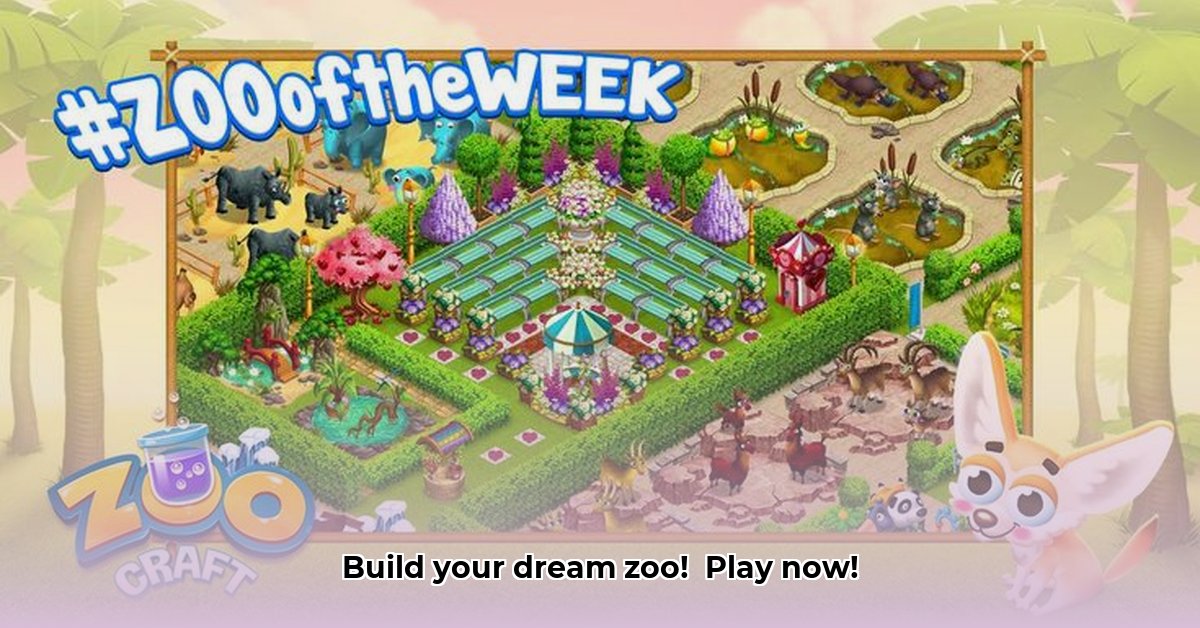
Once you've mastered the match-3 mechanics and started collecting rewards, the true magic of Family Zoo begins to shine. The game provides an impressive level of customization. Design expansive habitats, choose your animals, and create unique attractions to draw in visitors. Want a panda enclosure nestled in a bamboo forest? Go ahead and build it! The level of control you have over your zoo is remarkable. It's truly the ability to create your own personalized digital zootopia.
The Monetization Tightrope: In-App Purchases and Player Satisfaction
Family Zoo employs a free-to-play model with in-app purchases (IAPs). This presents a challenge: how to generate revenue without alienating players? The game needs to find the delicate balance between offering enough opportunities for spending to support continued development while ensuring the experience remains enjoyable for both free and paying players. A poorly implemented IAP system can quickly sour the experience; however, when done well, the purchasing aspect can enhance gameplay without feeling exploitative.
Navigating a Competitive Market: Standing Out From the Crowd
The mobile gaming landscape is intensely competitive, with countless match-3 and zoo simulation games vying for attention. To succeed long-term, Family Zoo must adopt a strong marketing strategy and highlight its unique blend of puzzle-solving, zoo management, and engaging storyline. Regular updates with new animals, features, and challenges are critical to maintaining player engagement and attracting new players. Dr. Emily Carter, a mobile gaming market analyst at GameStrat, notes, "Maintaining consistent updates and responding to player feedback are crucial in this market. Without it, even the best games can fade quickly."
Advice for Players and Developers: A Collaborative Approach
To maximize both enjoyment and long-term success, both players and developers need to collaborate:
Players: Immerse yourselves in the story. Experiment with zoo designs. Provide feedback on IAPs and game balance through available channels.
Plarium (Developer): Focus on non-intrusive IAPs. Regularly solicit and act upon player feedback. Maintain a consistent stream of updates incorporating new animals, features, and puzzle challenges.
Challenges, Opportunities, and the Future of Family Zoo
Family Zoo faces challenges, including the saturated app market and the potential for negative player reaction to IAPs. However, the opportunities for success are significant. Continued player engagement through regular updates, expansion of the narrative, and potentially exploring additional platforms (PC, consoles) could propel Family Zoo to significant heights. The critical path forward lies in striking the right balance between gameplay, monetization, and player experience. Will Family Zoo succeed in building a lasting legacy? Only time will tell.
How to Implement Effective In-App Purchases (IAPs) in a Match-3 Game
Creating a successful free-to-play model requires careful consideration of IAP strategies, catering to various spending habits. Here's a breakdown of effective techniques:
1. Understanding Your Player Base: Identify "whales," "dolphins," and "minnows" (high, medium, and low spenders), tailoring IAPs accordingly.
2. Designing Appealing IAPs: Offer value, not just price. Consider consumables (temporary boosts), non-consumables (permanent additions), subscriptions, and limited-time events.
3. A/B Testing: Experiment with different price points, bundles, and presentations to optimize conversion rates.
4. Avoiding Pay-to-Win: Ensure IAPs enhance convenience, not gameplay advantage.
5. Continuous Monitoring and Adjustment: Track key metrics and adjust the IAP strategy over time based on data and player feedback. This iterative process is key to maintaining a prosperous and happy player population.
⭐⭐⭐⭐☆ (4.8)
Download via Link 1
Download via Link 2
Last updated: Friday, May 16, 2025